
Written by Fidgit
Haz clic aquí para leer en español
It is not enough to fight for the land; it is even more important to enjoy it.
While you can. While it’s still here.
~Edward Abbey
While the debate about climate change rages on inside the walls of buildings, between schools of thought, and from behind computer screens, the world outside and those who live of it, shift. Literally and figuratively.
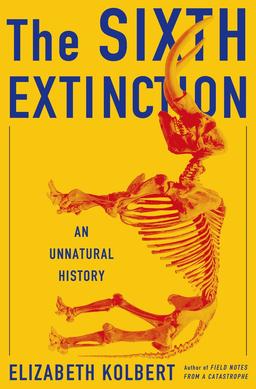 Elizabeth Kolbert puts our effect directly and chillingly in her book The Sixth Extinction: An Unnatural History:
Since the start of the industrial revolution, humans have burned through enough fossil fuels– coal, oil, and natural gas– to add some 365 billion metric tons of carbon to the atmosphere. Deforestation has contributed another 180 billion tons. Each year we throw up another nine billion tons or so, an amount that’s been increasing by as much as six percent annually. As a result of all of this, the concentration of carbon dioxide in the air today– a little over four hundred parts per million– is higher than at any other point in the last eight hundred thousand years.
If we can, let’s separate ourselves from politicizing it. Let’s pretend like none of what Elizabeth just listed has anything to do with anything. For the sake of argument, let’s pretend it’s not an argument.
Just sit on a simple farmer’s front porch and have a conversation about the weather.
This is what we try to do.
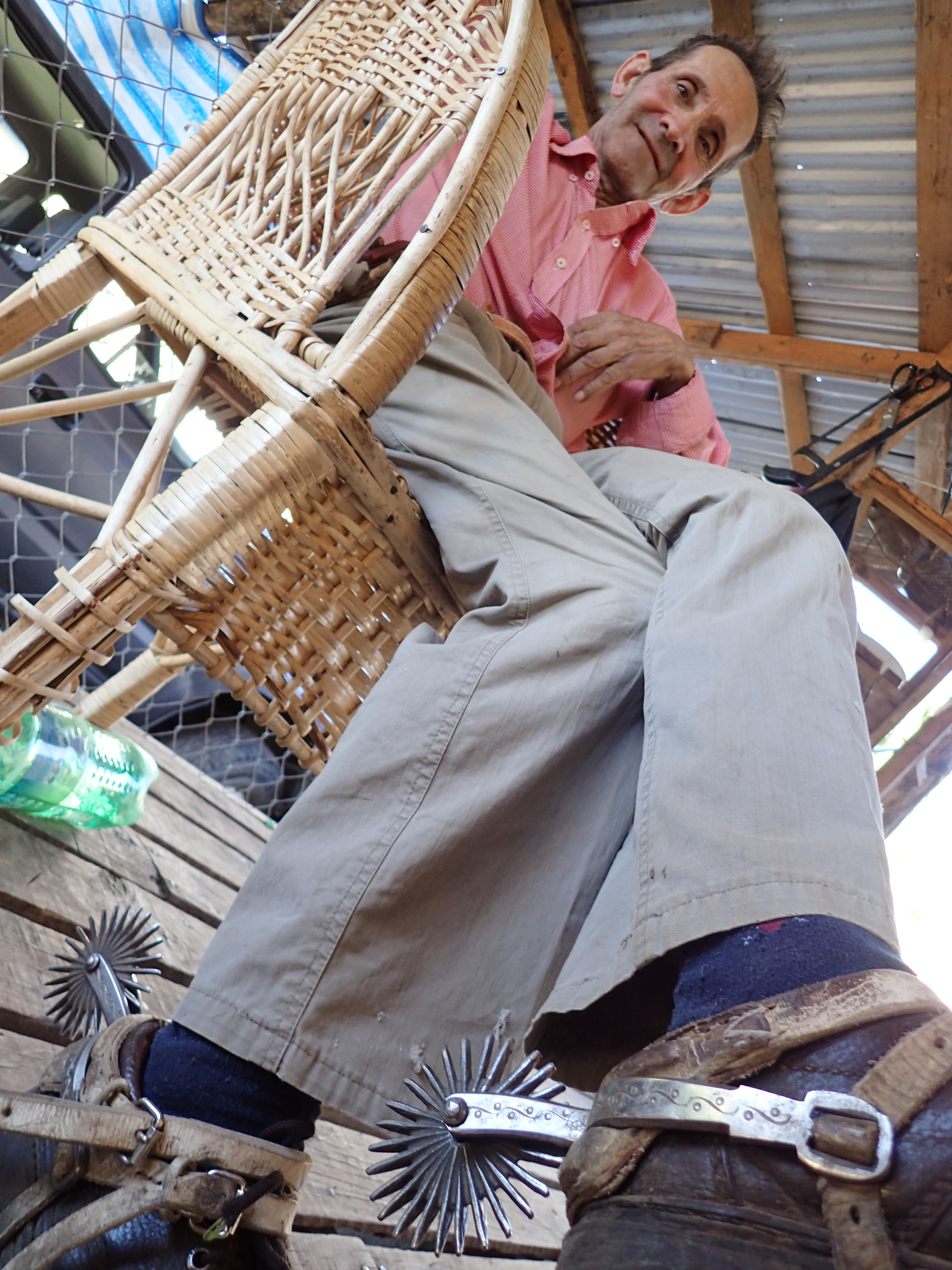
Walking those first 4000 km of the Andes, from Tierra del Fuego to Santiago, we conversed with the locals, people “nacido, crecido,” and as one elder gentleman joked, “y inviejecido,” (born, raised, and aged) on the land of their parents and grandparents, in the mountains and pampas. We heard the same observation time and again, whether in the far south (-50s and 40s latitude) where it has always been a struggle to grow anything, to the rich band of soils of the 30s°: the seasons and land began to change around 20 years ago, but they have accelerated noticeably in the last five.
The observation is leveled without motive or intent, because, after all, we are just passing around the mate, talking about the weather. These people of the land speak in frank terms, what they know of what has been is familial and cultural memory and “what is,” being their own observations. Very little in terms of graphs, studies, or numbers has colored their view, though at least half seem familiar with the concept of climate change.
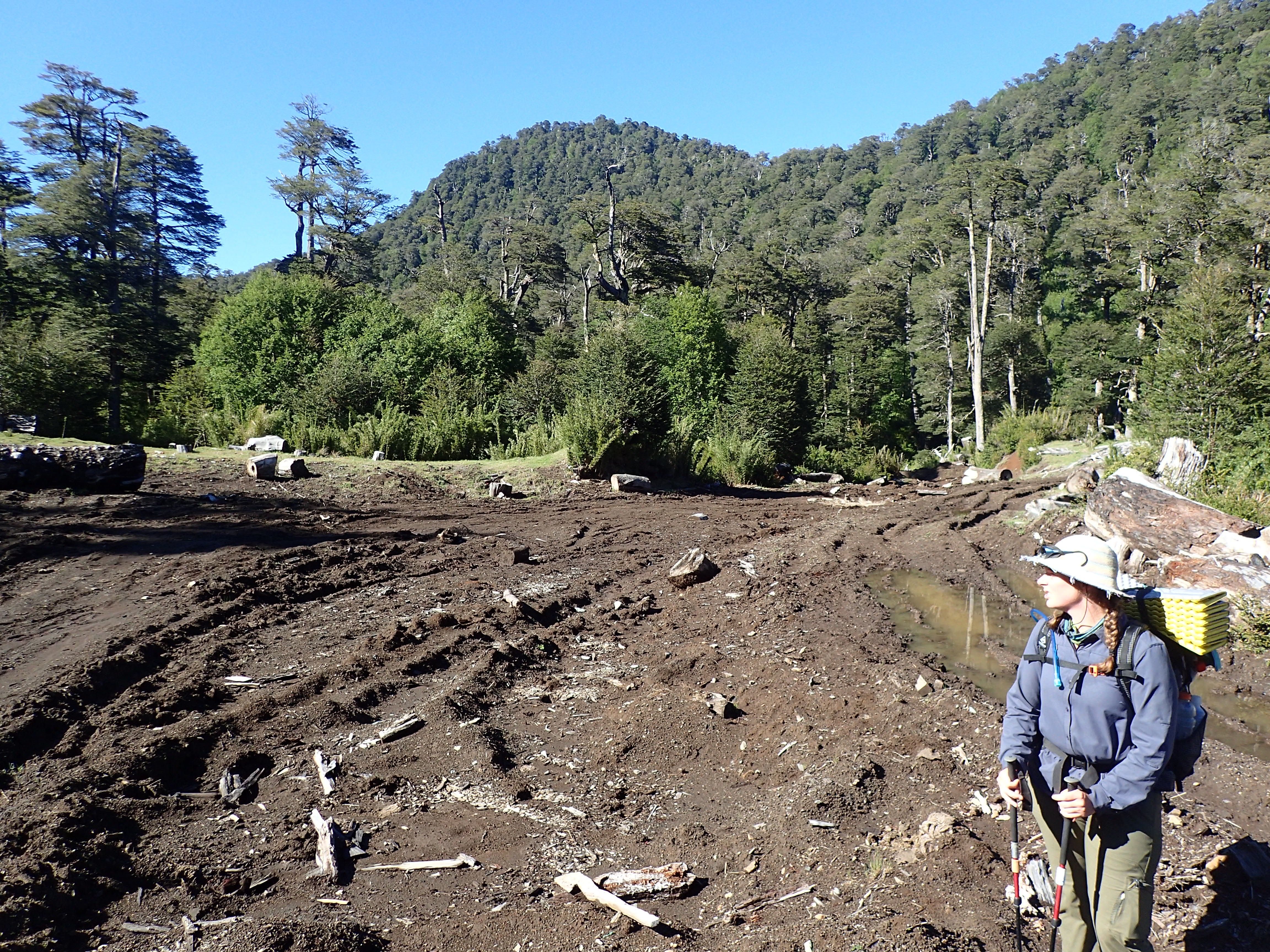
Their conversations tend to revolve around the tangible and practical. Specifically regarding the livestock and plants which make it from their fields to the table. Growing seasons have shifted and shortened; produce has to be grown in a huerta (greenhouse) where once it grew freely; snow falls at a fraction of what it once did. In the area around Nubles, Chile 20 years ago, they often saw 2.5 meters of snow. Now, at best, they will see 40-50 cm. In that same area where Yoanela recalls her father had to dig 3 meters down to find water for a well, now they have to go 20 meters down.
Berries no longer give fruit. Beans no longer flower. Around Paso Portillo Piuquenes, three years ago hunting hares was as easy as sitting on the porch with a sling shot. Now, you barely see any. This coming from the experience of a single and only seasonally occupied refugio high in an Andes valley, nullifying the thought that the decrease could be due to over-hunting.
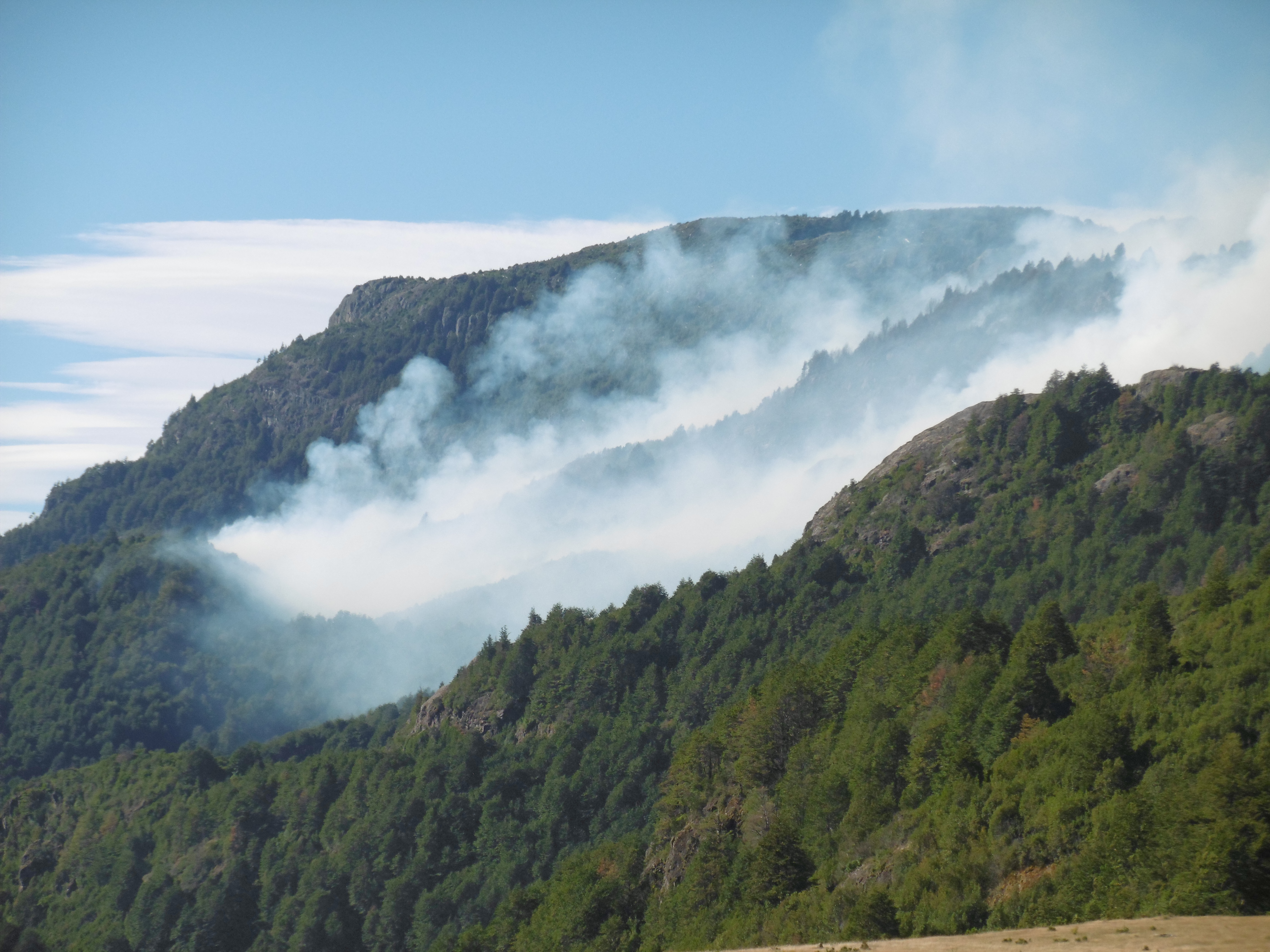
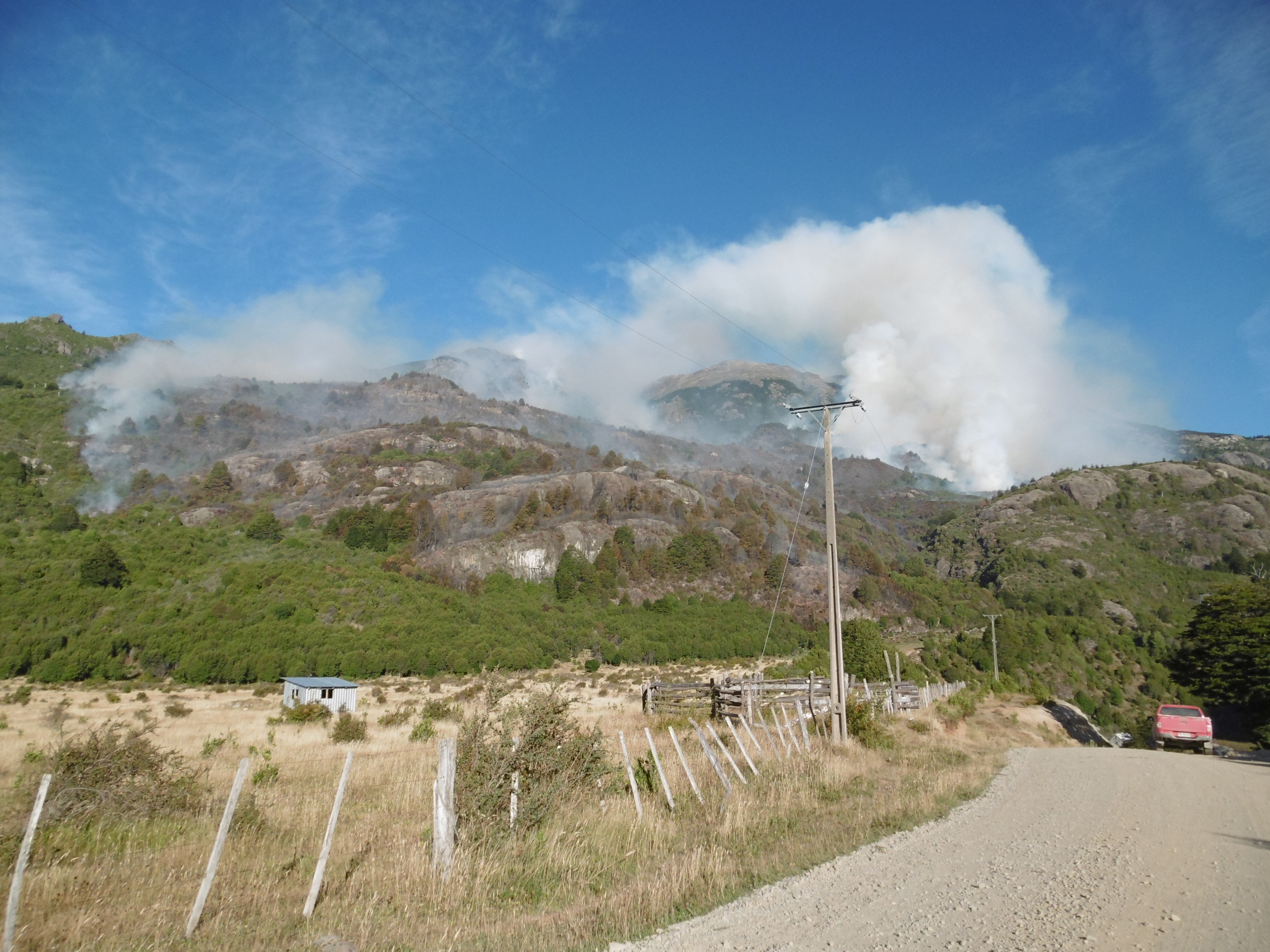
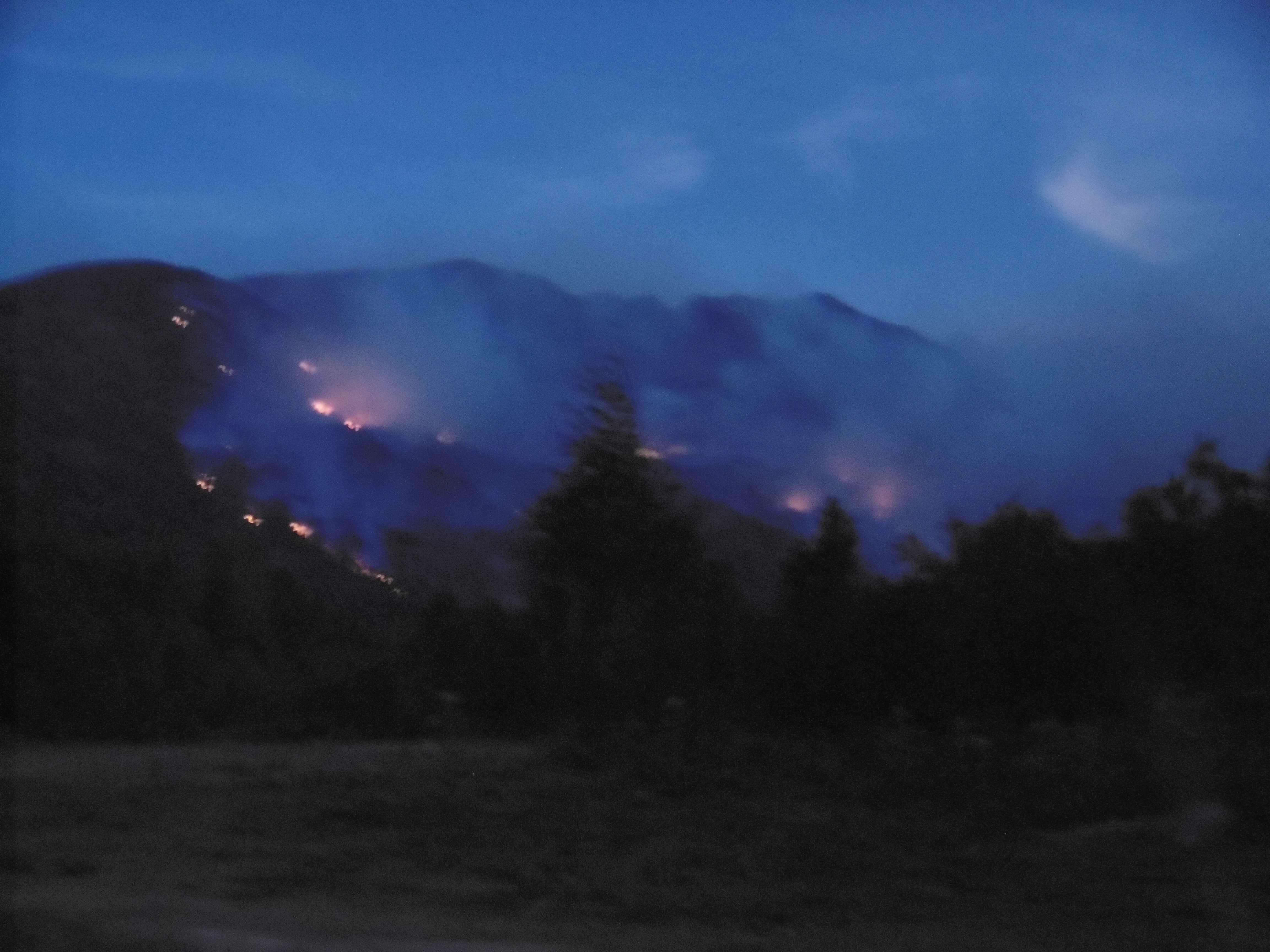
Our trek has followed in the wake of weird seasons and natural disasters. Noted for its heavy rains, Patagonian skies were dry for us in the summer of 2016. It was the driest in 40 years, coming on top of a seven year drought. Fine for hiking, until we were walking alongside forest fires as par for the course. A Red Tide of unprecedented severity washed the southern coast, killing thousands of tons of sea life and causing civil unrest due to the effects on livelihood of the coastal residents. Summer of 2017 brought Chile its most devastating forest fires in history, with over a million acres burned. Our exit from Santiago in February was delayed due to the Cajon de Maipo being washed out. As I write, north of us, the Argentine desert Province of Jujuy struggles with ongoing floods and landslides, Bolivia, Peru, and Colombia are awash.
This begs the question, how can those who have a world of information at their finger tips not see what those with their hands in the dirt find obvious? Ever fascinated by the social component, I reflect on how the current leader of the free world can deny what a farmer with a second grade education finds obvious. The answer is terribly simple. He isn’t outside. He has not sat on the same porch as generations of predecessors, watching it all change.
I’ll let Sally Jewell’s words close out this post. In a powerful podcast interview with Outside, at the end of her tenure as Secretary of the Interior, Sally talked about what matters she would advocate to her successor (Ryan Zinke).
What about a specific policy?
The most pressing issue of our time is climate change. You cannot be the Secretary of the Interior and deal with the wildfires and the droughts and the invasive species and coastal erosion without recognizing that climate change is real. I would discuss that.And if that person is a climate-change denier?
No matter what beliefs a person comes into this position with, the job has a way of showing you what’s really going on.
El cambio está a punto
Escrito por Fidgit
No es suficiente luchar por la tierra; Es aún más importante disfrutarlo.
Mientras puedas. Mientras que todavía está aquí.
~Edward Abbey
Mientras el debate sobre el cambio climático se agita dentro de los muros de los edificios, entre las escuelas de pensamiento y detrás de las pantallas de los ordenadores, el mundo exterior y los que viven de él cambian.
Literalmente y figurativamente.
Elizabeth Kolbert lo expresa de manera directa y escalofriante en su libro The Sixth Extinction: An Unnatural History:
Caminando por los primeros 4000 km de los Andes, desde Tierra del Fuego hasta Santiago, conversamos con los lugareños, “nacido, crecido”, y como un anciano caballero bromeaba, “y envejecido” La tierra de sus padres y abuelos, en las montañas y las pampas. Oímos la misma observación una y otra vez, ya sea en el extremo sur (-50s y 40s latitud), donde siempre ha sido una lucha para cultivar nada, a la rica franja de suelos de los años 30 °: las estaciones y la tierra comenzó a cambiar Alrededor de 20 años, pero se han acelerado notablemente en los últimos cinco.
La observación se nivela sin motivo o intención, porque, después de todo, estamos simplemente pasando alrededor del compañero, hablando del tiempo. Estas personas de la tierra hablan en términos francos, lo que saben de lo que ha sido la memoria familiar y cultural y “lo que es”, siendo sus propias observaciones. Muy poco en términos de gráficos, estudios o números ha coloreado su punto de vista, aunque al menos la mitad parece familiarizado con el concepto de cambio climático.
Sus conversaciones tienden a girar en torno a lo tangible y práctico. Específicamente con respecto al ganado ya las plantas que lo hacen de sus campos a la mesa. Las estaciones de crecimiento han cambiado y acortado; El producto debe ser cultivado en una huerta (invernadero) donde una vez creció libremente; La nieve cae en una fracción de lo que hizo una vez. En la zona de Nubles, Chile hace 20 años, a menudo se veían 2,5 metros de nieve. Ahora, en el mejor de los casos, verán 40-50 cm. En esa misma zona donde Yoanela recuerda que su padre tuvo que cavar 3 metros para encontrar agua para un pozo, ahora tienen que ir 20 metros hacia abajo.
Las bayas ya no dan fruto. Los frijoles ya no florecen. Alrededor de Paso Portillo Piuquenes, hace tres años la caza de liebres era tan fácil como sentarse en el porche con un tiro de honda. Ahora, apenas se ve ninguno. Esto viene de la experiencia de un solo y único refugio ocupado estacionalmente en un valle de los Andes, anulando el pensamiento de que la disminución podría ser debido a la sobre-caza.
Nuestra caminata ha seguido a raíz de temporadas extrañas y desastres naturales. Notado por sus fuertes lluvias, los cielos de la Patagonia fueron secos para nosotros en el verano de 2016. Fue el más seco en 40 años, llegando a la cima de una sequía de siete años. Bien para el senderismo, hasta que estábamos caminando junto a los incendios forestales como par para el campo. Una Marea Roja de una severidad sin precedentes lavó la costa sur, matando miles de toneladas de vida marina y causando disturbios civiles debido a los efectos sobre los medios de vida de los residentes costeros. El verano de 2017 trajo a Chile sus fuegos forestales más devastadores en la historia, con más de un millón de acres quemados. Nuestra salida de Santiago en febrero se retrasó debido a la Cajon de Maipo lavado. Mientras escribo, al norte de nosotros, la provincia argentina de Jujuy, luchando contra las inundaciones y los deslizamientos, Bolivia, Perú y Colombia están inundados.
Esto plantea la pregunta, ¿cómo pueden los que tienen un mundo de información en sus puntas de los dedos no ver lo que aquellos con sus manos en la tierra encontrar obvio? Siempre fascinado por el componente social, reflexiono sobre cómo el líder actual del mundo libre puede negar lo que un agricultor con una educación de segundo grado encuentra obvio. La respuesta es terriblemente simple. No está afuera. No se ha sentado en el mismo porche que las generaciones de predecesores, viendo que todo cambia.

Comments (3)
Thanks for the witness to the reality of climate change caused by our human industrial revolution. Your long walk is a testimony we need to hear.
Great post, Fidgit!
No truer words have been spoken than those in your last paragraph. If you’re not getting your hands dirty, you won’t notice what is obvious to those whose livelihoods are outside. I can’t STAND the denier mentality…