
Haz clic aquí para leer en español
Written by Fidgit
Considering the only relatively recent stability of national boundaries and efforts to count and census residents, combined with the notable lack of “organized locating” in South America, I am not surprised to hear it hosts a number of the worlds remaining “uncontacted” tribes. According to a New Scientist article:
There are thought to be around 15 uncontacted tribes in Peru, a handful in other Amazonian countries, a few dozen in the Indonesian part of the island of New Guinea and two tribes in the Andaman Islands off the coast of India. There may also be some in Malaysia and central Africa.
Though, how they can be considered “uncontacted” and yet the article hosts a series of images taken by drone of the people looking confused or pointing querulously, gives a very “The Gods Must be Crazy” feeling.
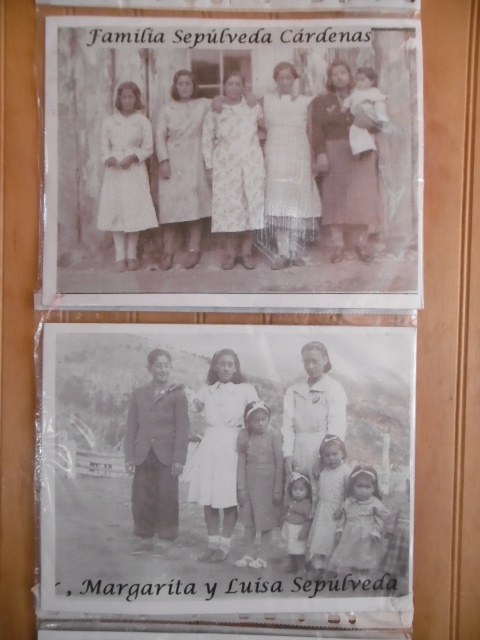
One woman in Villa O’Higgins, Chile, recalled her first census when she was an adolescent. Her birthdate was unknown, so they made a guess, signed it on the document and that was that. She recently passed away as one of the final living settlers of the quaint town, which has a small airport and now boasts a road.
Another example: mailing addresses are not a prevalent concept in South America. Forget about the notion of a mailbox in front of your house. In the cities where there are street addresses, more often than not, they go in absolutely no order. The mail system is often expensive and unreliable. It certainly isn’t for letter sending purposes which put the kibosh on my Midwest-ingrained Thank You card sending practice. Instead I have to send them with someone we pass on the trail, giving instructions like “take this card over the hanging bridge and to the house under the ancient tree. Leave it with the Goat Lady.”
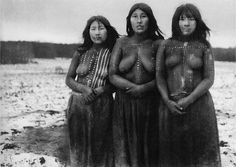
The “discovery” and ensuing “civilizing” of indigenous people has been a long and often sad story echoed in almost every region – one which often follows a harrowing story-line. In Tierra del Fuego and the Magallanes regions, entire heritages have been wiped out, other than their legends which are now told 4th and 5th hand.
It was not until further north in Chile, when we entered Mapuche territory, that we began to see and sometimes interact with direct descendants, whose existence and lifestyle are sustained by a fierce pride in their heritage even as they lament the rapid decline in their community numbers as people opt for the government settlement check and the promise of an easier life in the city.
Though there are yet some who hold to their roots, festivals and the demanding work of remote mountain living. “They promised me a stipend to pay an electric and cell phone bills in the city,” one woman in a valley along the GPT explained, “But I have no electricity or phone here, and I don’t need them. The city makes you think you need things you don’t, then charges you money for them.”
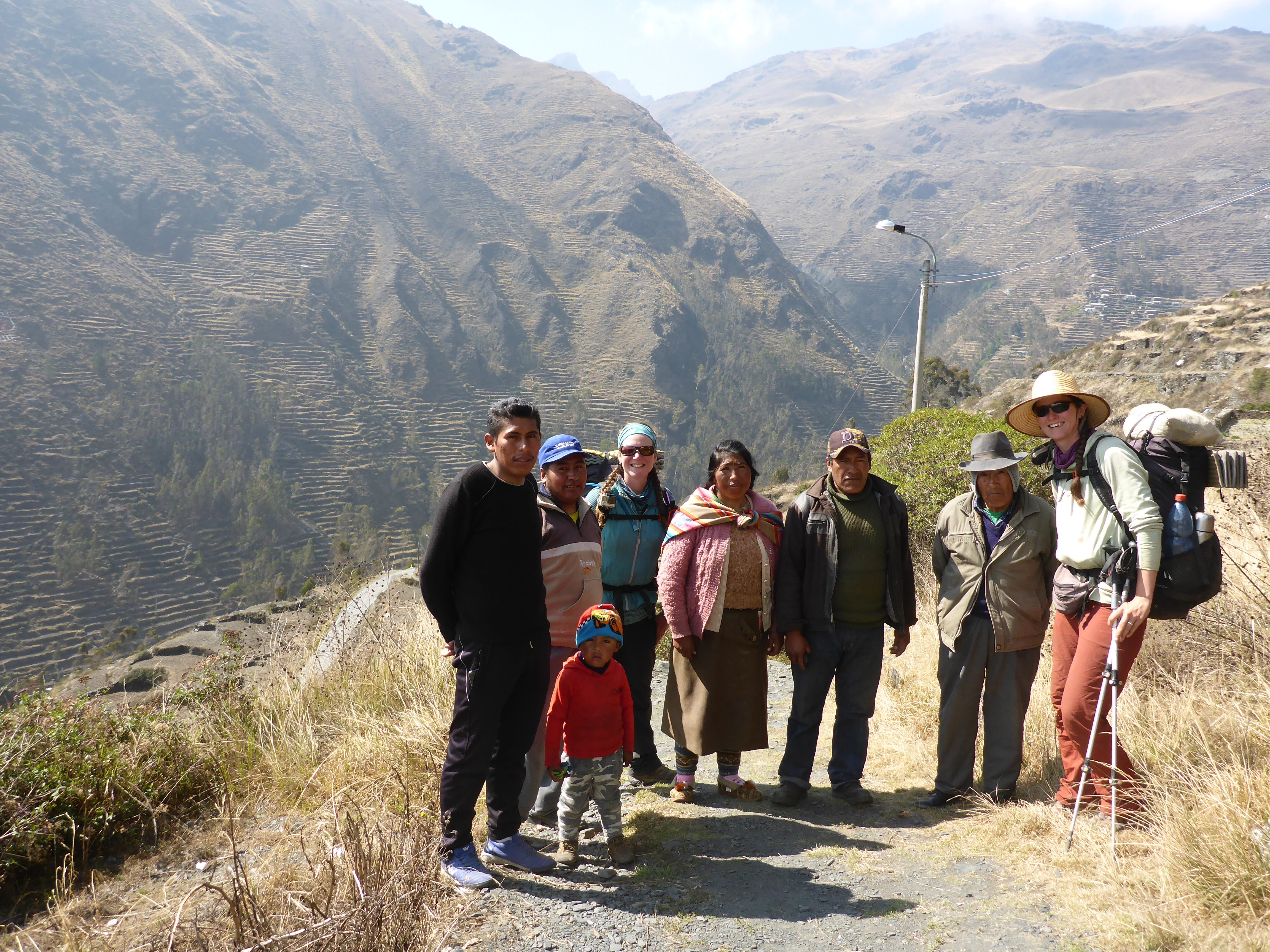
In the US we talk about “disconnecting” as a weekend or even week-long retreat. In many of the places through which we have passed, it is a way of life, for various reasons and to differing degrees because of choice.
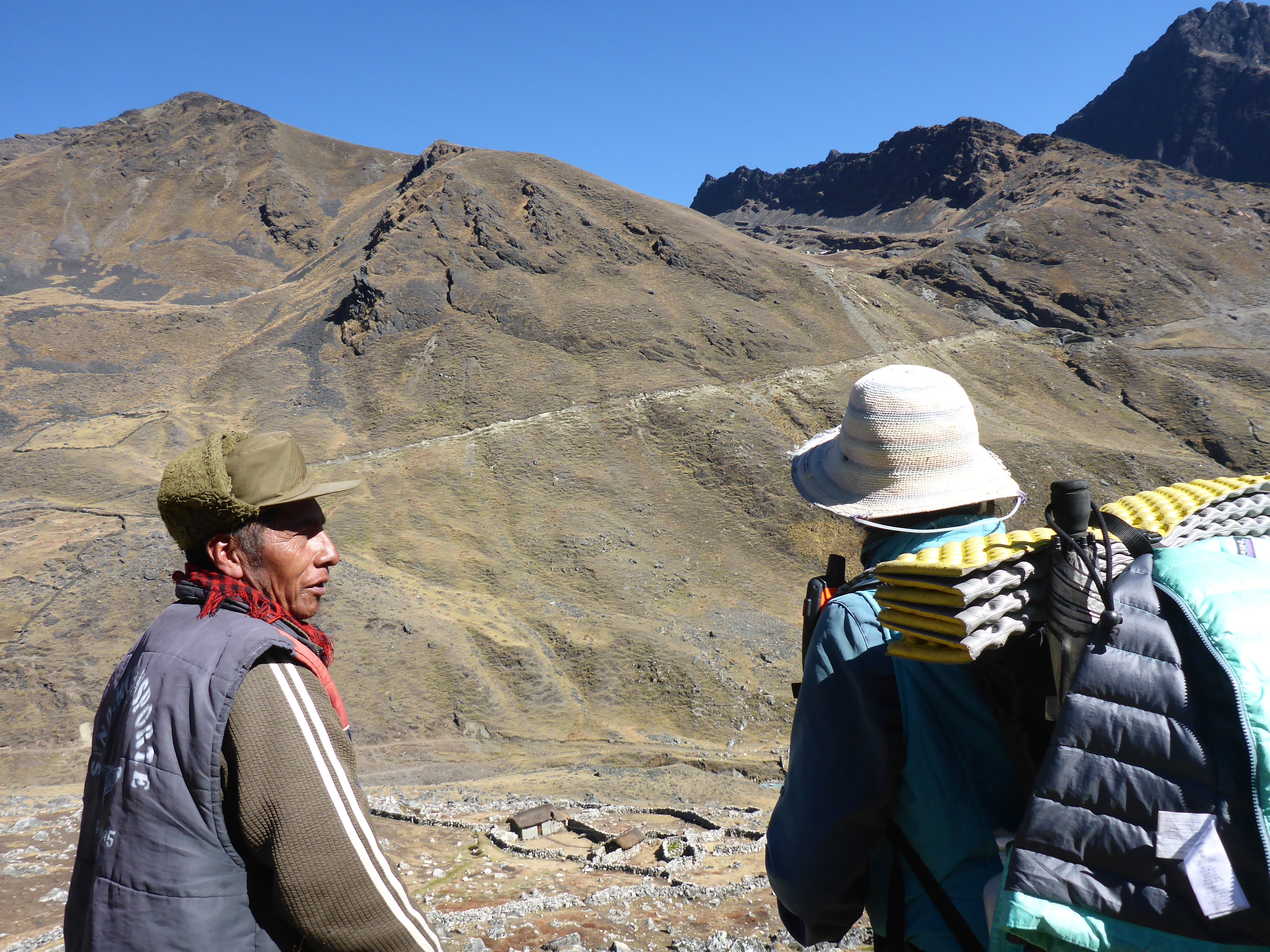
Observing this dynamic of community to connectivity was particularly fruitful in a notably infertile region of northern Bolivia and southern Peru. The altiplanos just east and thousands of feet above Lake Titicaca sit on the border at 14,000 ft where nothing grew higher than our ankles and lightning storms were prevalent. It seemed by maps and satellite to be all but empty. Based on what I could see when planning the 500 km segment, we were facing a 200 km+ stretch without resupply options.
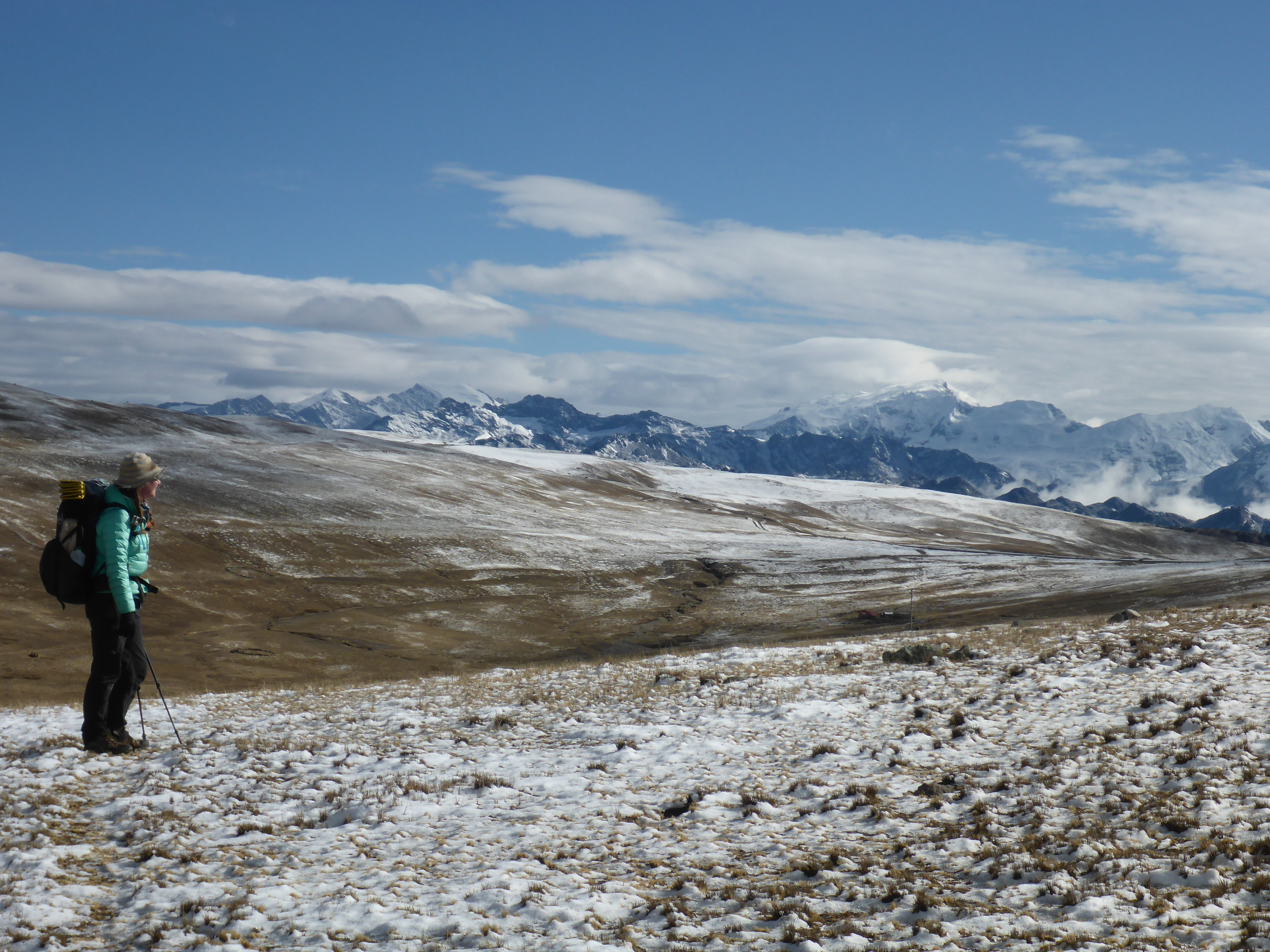
Weren’t we surprised, then, to walk in on a road that had not been marked elsewhere, to towns nothing said existed. It was not until we zoomed in to 300 meters on the GPS that tiny dots with funny names appeared. The area was populated and had been for some time. It was simply forgotten. The houses were hand built of bricks made of mud and straw and so blended in to the landscape, making them difficult to identify from a satellite.
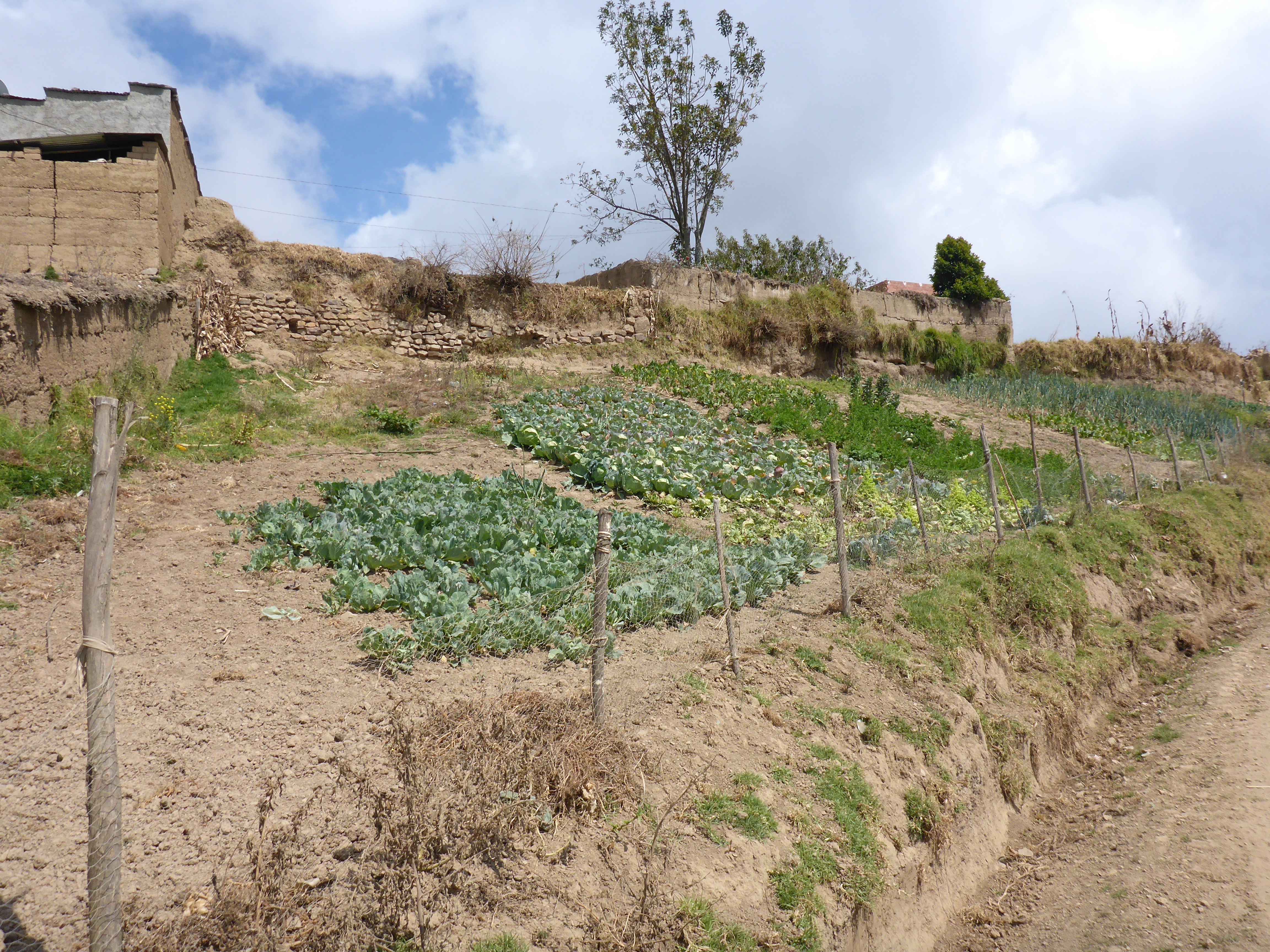
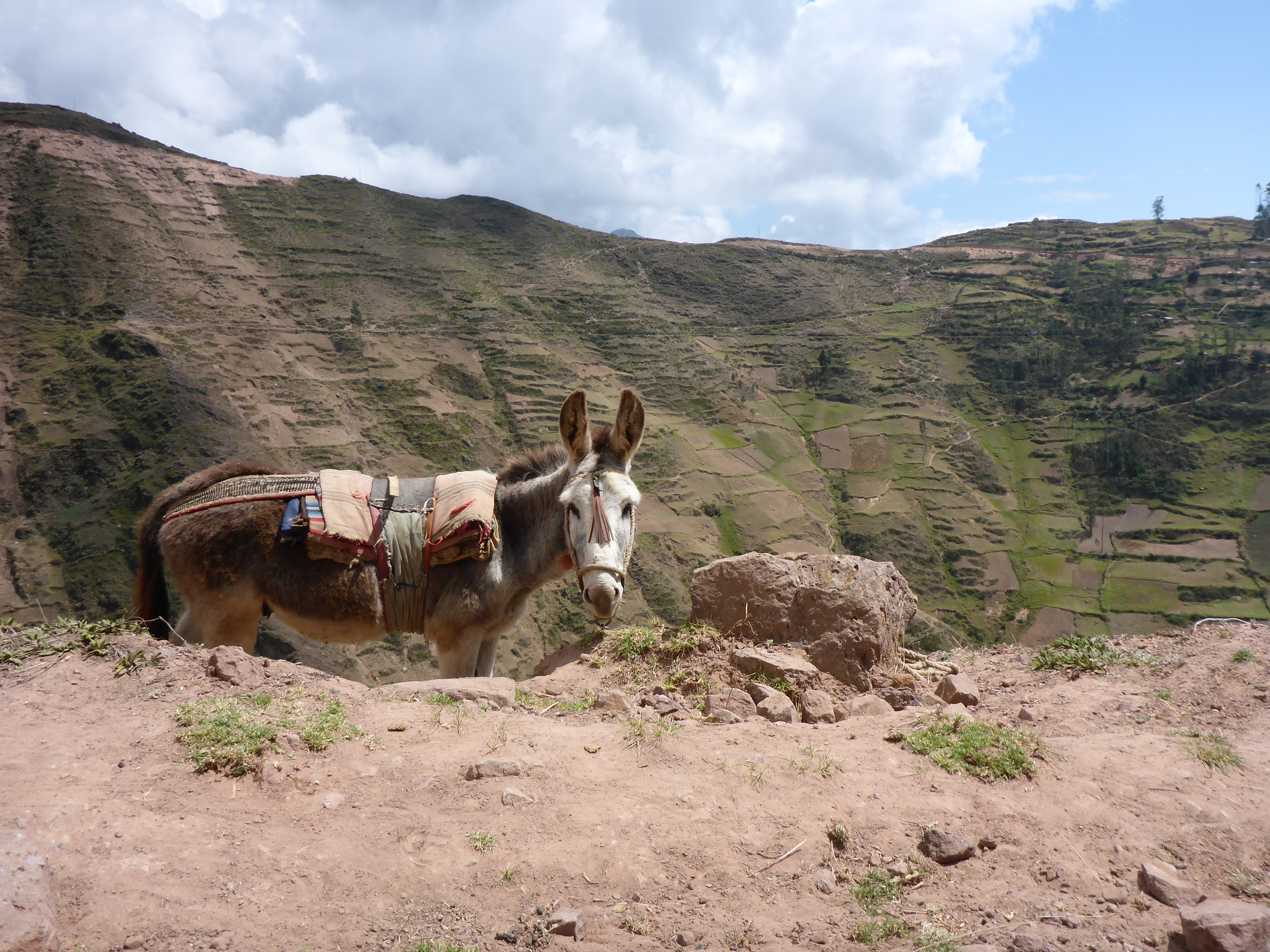
According to folks I chatted with, the road had been built about seven years ago. Sections had washed out, so parts were impassible by vehicles. Yet, there was so little memory of the road and such a long memory of no road, that a washed out road was considered a net gain, for it made it much easier to lead burro to the field, or walk their pigs to town.
We were surprised at the number of houses and villages, shops, schools, a few rural clinics. We took shelter from severe weather in several. Many of the towns even had electricity.
 One had a “tourist house,” obviously a grand government gesture which had been abandoned and ignored by the local population, likely because they had received no infrastructural support for their own benefit. It was one of the only villages where people were hostile toward us.
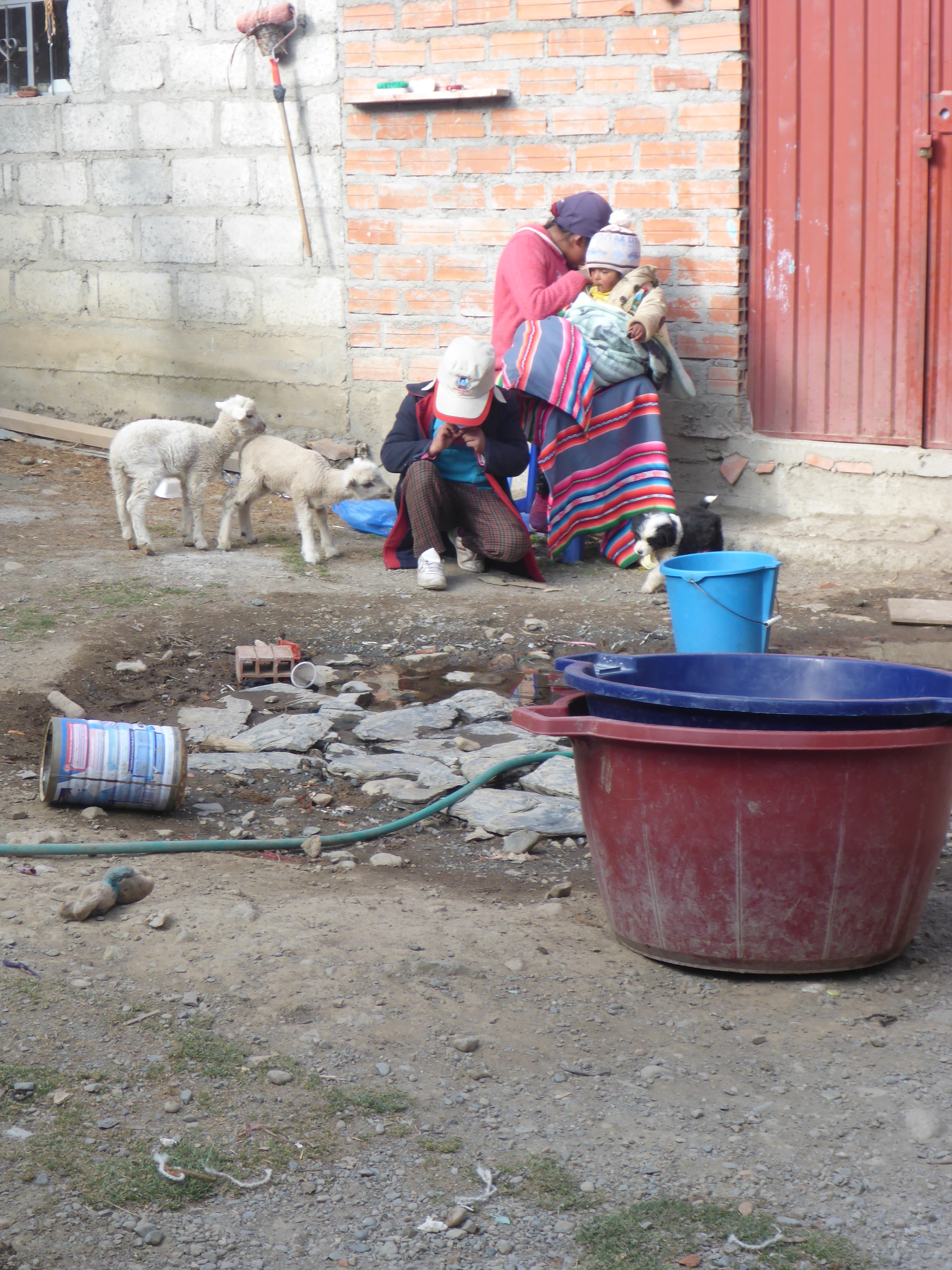
Being largely ignored by the power systems means daily living takes more work. For example, without running water, laundry is washed by hand in the streams or rivers. Since it is going to take all day anyway, there is no rush, and it is a social affair, with the women and children heading out together and spending the day chatting, washing, and bathing.
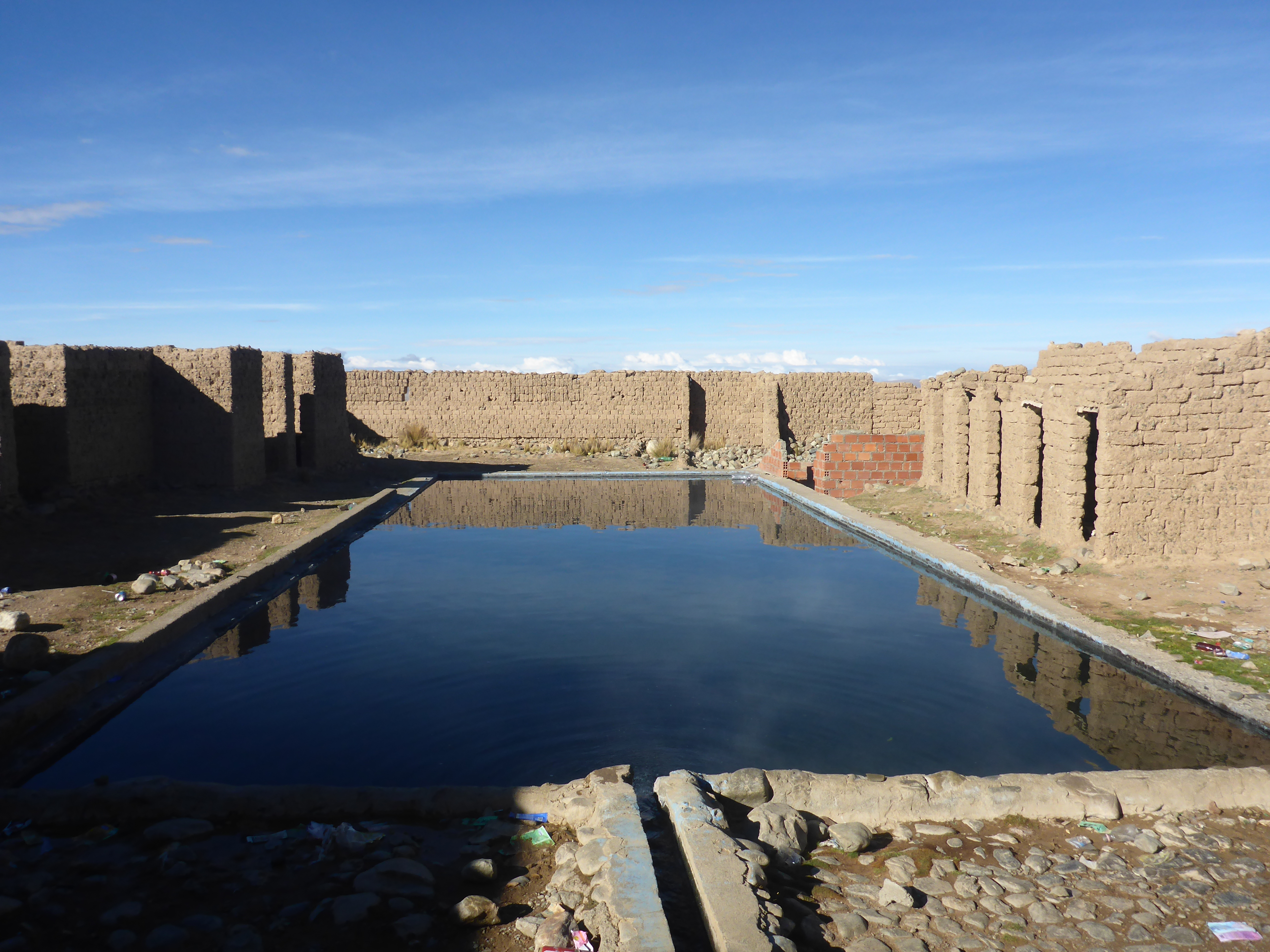
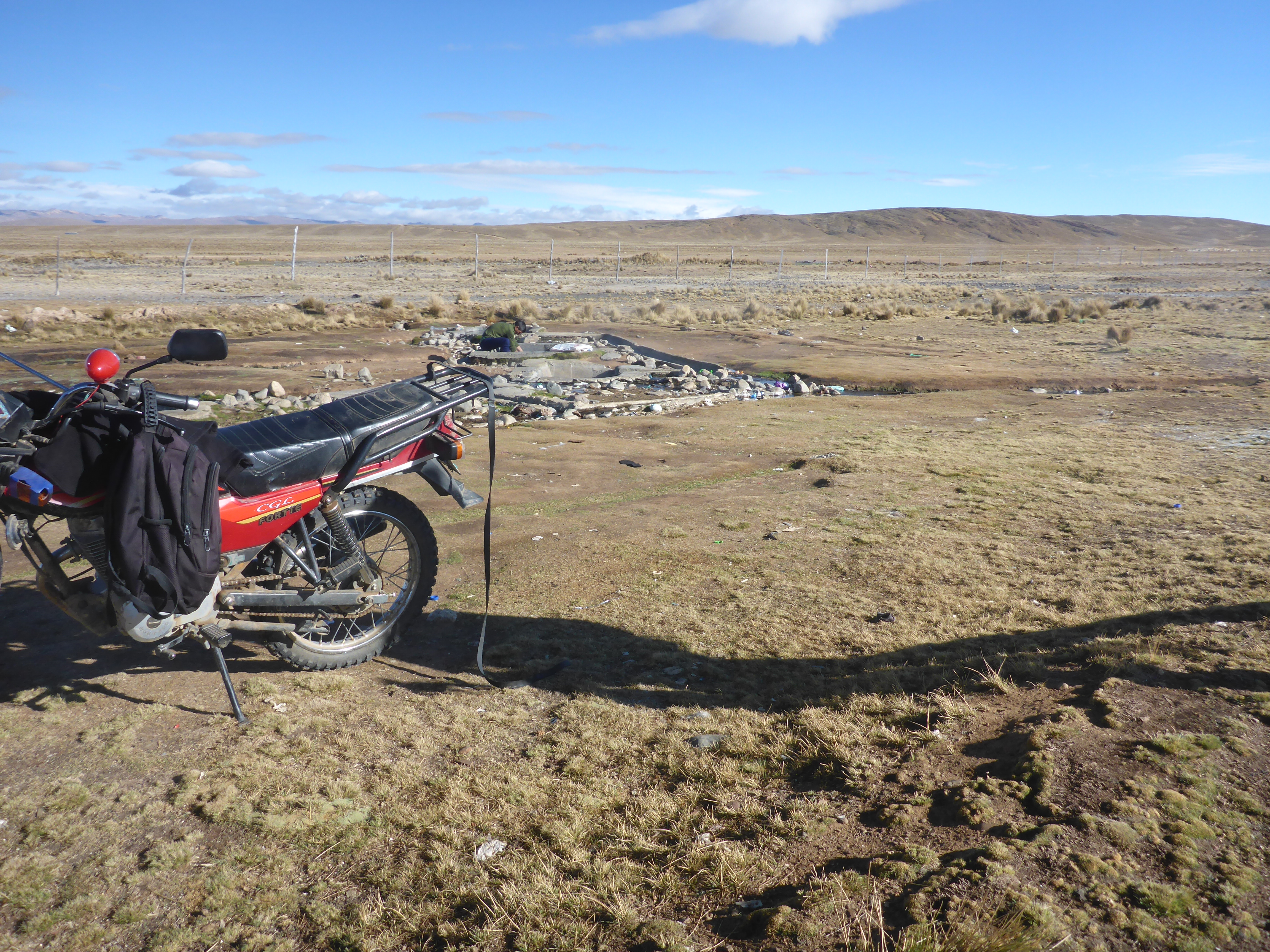
We passed a “hot springs” which in these communities means public bath. We’d watch the motos approach with up to four passengers (interestingly, mostly men). They would strip down to their skivvies and bathe, then scrub their laundry, pack it all up and putter away.
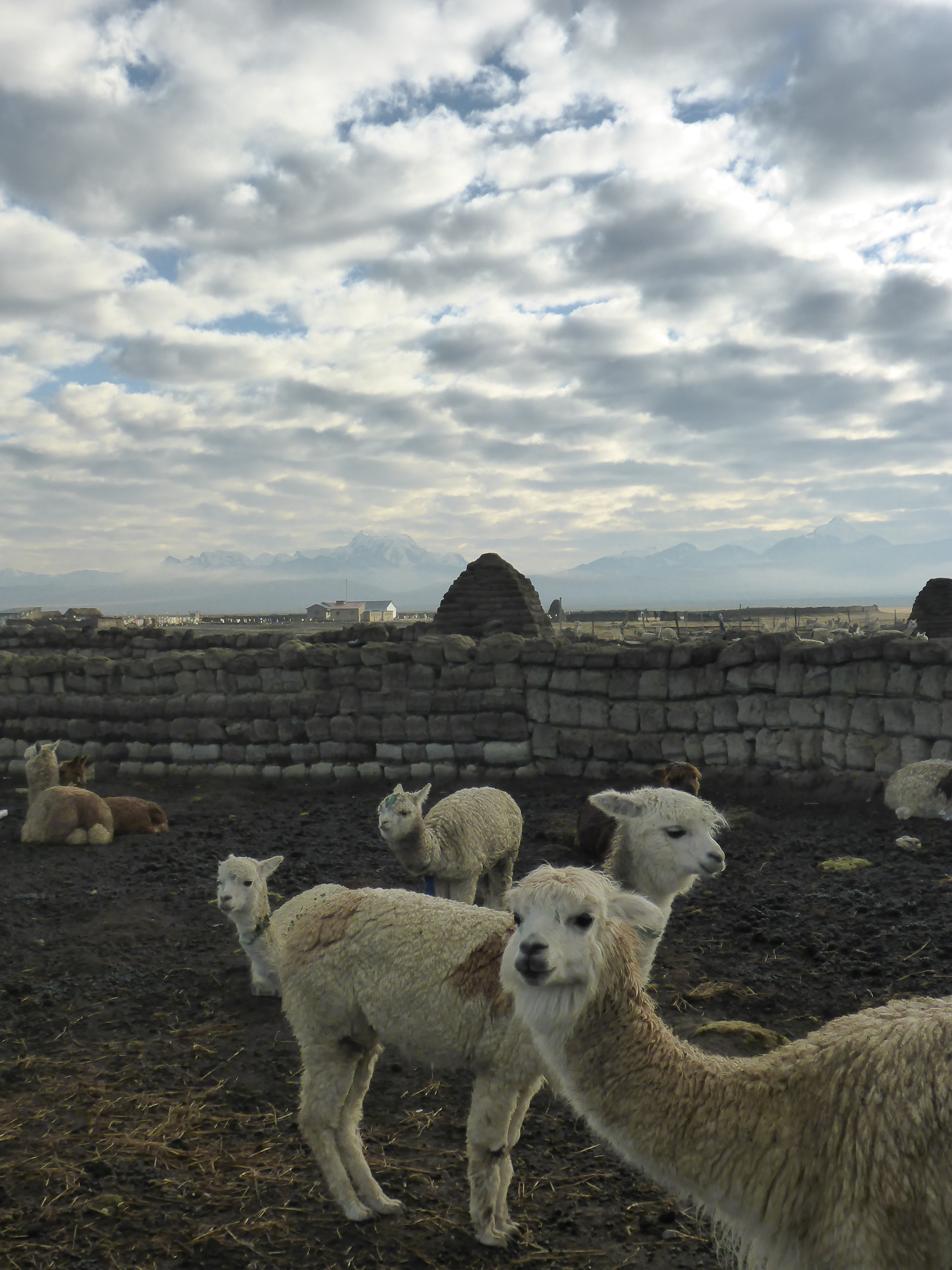
Seemingly the only creatures to thrive on these empty lands were the alpacas and llamas. The owners walk them out of the town each morning onto the open plains, then sit with them all day while they graze, then walk them back in the evening. The people eat soup, rice, and alpaca meat for every meal. This is either fried over a propane stove or cooked over a fire built of dried alpaca excrement, which is gathered after a series of dry days and stored in a tall brick chimney looking things for the wet months.
This much work going into sustaining survival leaves little time to fret about things like whether they exist on a map.
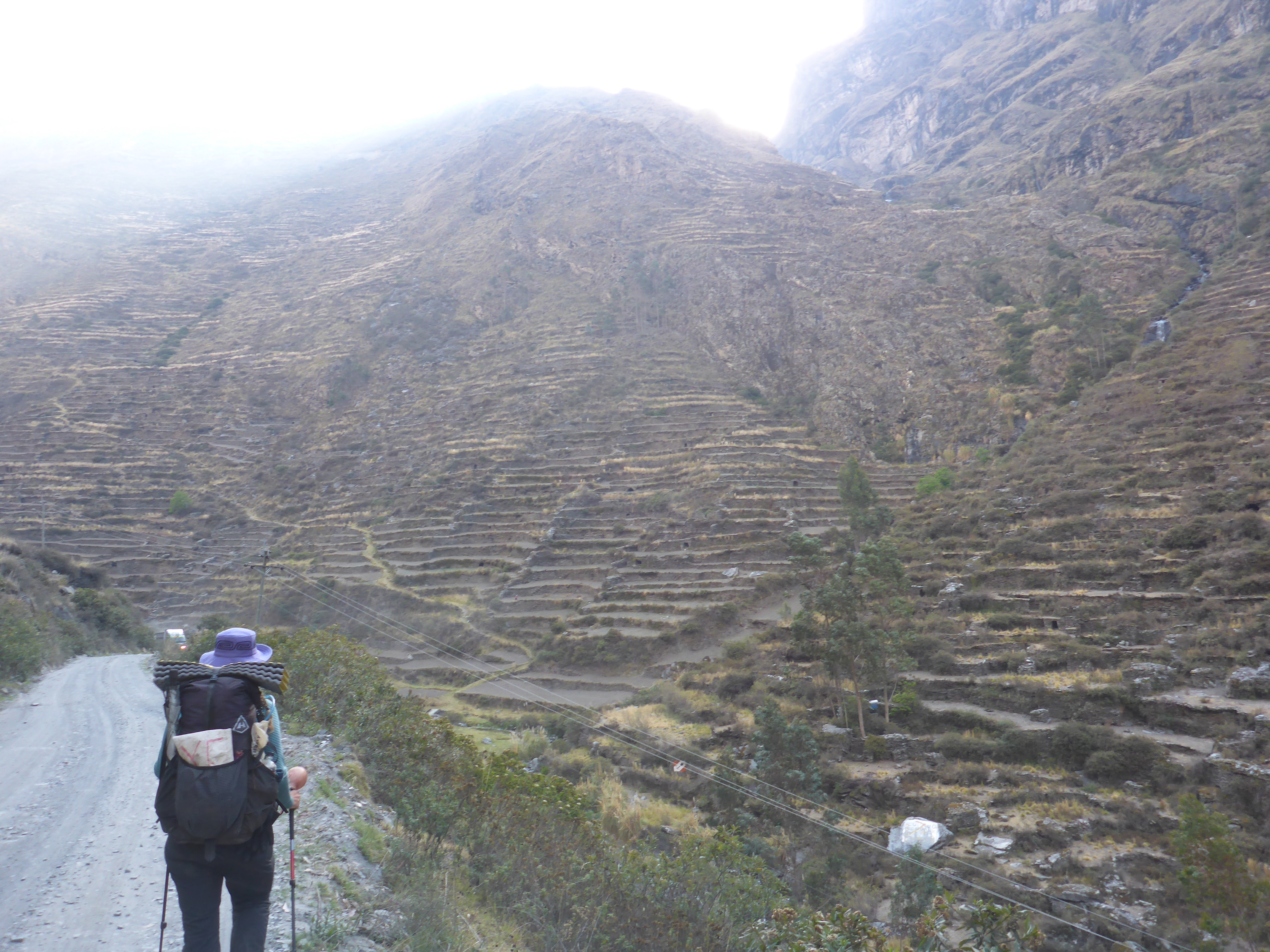
Most people in the regions we walk through don’t use maps anyway. They are on this land because their parents lived on it and their parents before them. They are as much a part of it as the grasses, winds, and storms. The discord between the maps and their experience made navigation a bit complicated, because they give directions by community names, and we knew almost none of these. Not to mention the Aymara and Quechua propensity for tons of syllables and “cc” sounds.
All taken together, some regions seem more comfortable in their anonymity. Finding the balance between respecting that and promoting progress is a tenuous work.
Los lugares que no existen y las personas que viven alli
Escrito por Fidgit
Traduccion por Henry Tovar
Considerando la única estabilidad relativamente reciente de las fronteras nacionales y los esfuerzos para contar y censar a los residentes, combinada con la notable falta de “ubicación organizada” en América del Sur, no me sorprende escuchar que alberga a varias tribus “no contactadas” del mundo. De acuerdo con un artículo de New Scientist:
Se cree que hay alrededor de 15 tribus no contactadas en Perú, un puñado en otros países amazónicos, unas pocas docenas en la parte indonesia de la isla de Nueva Guinea y dos tribus en las Islas Andamán frente a la costa de la India. También puede haber algunos en Malasia y África central.
Sin embargo, cómo pueden considerarse “no contactados” y, sin embargo, el artículo contiene una serie de imágenes tomadas por un zumbido de personas que parecen confundidas o que señalan quejumbrosamente, da un sentimiento muy “Los dioses deben estar locos”.
Una mujer en Villa O’Higgins, Chile, recordó su primer censo cuando era una adolescente. Su fecha de nacimiento era desconocida, así que hicieron una conjetura, la firmaron en el documento y eso fue todo. Ella falleció recientemente como uno de los últimos pobladores vivos de la pintoresca ciudad, que tiene un pequeño aeropuerto y ahora cuenta con un camino.
Otro ejemplo: las direcciones postales no son un concepto prevalente en América del Sur. Olvídate de la noción de un buzón en frente de tu casa. En las ciudades donde hay direcciones, la mayoría de las veces no tienen ningún orden. El sistema de correo a menudo es costoso y poco confiable. Ciertamente no es para enviar cartas, lo que pone en duda mi práctica de envío de tarjetas de agradecimiento arraigadas en el Medio Oeste. En cambio, tengo que enviarlos con alguien a quien pasemos por el camino, dando instrucciones como “llevar esta tarjeta por encima del puente colgante y hacia la casa bajo el árbol milenario. Déjalo con la Dama Cabra”.
El “descubrimiento” y la subsiguiente “civilización” de los pueblos indígenas ha sido una historia larga y a menudo triste que se repite en casi todas las regiones, una que a menudo sigue una trama desgarradora. En Tierra del Fuego y las regiones de Magallanes, patrimonios enteros han sido aniquilados, a excepción de sus leyendas que ahora cuentan con la 4ta y la 5ta mano.
No fue hasta más al norte de Chile, cuando entramos en el territorio mapuche, que comenzamos a ver y algunas veces interactuamos con descendientes directos, cuya existencia y estilo de vida están sustentados por un orgullo feroz en su herencia incluso mientras lamentan el rápido declive en su comunidad los números a medida que las personas optan por el cheque de liquidación del gobierno y la promesa de una vida más fácil en la ciudad.
Aunque todavía hay algunos que mantienen sus raíces, festivales y el trabajo exigente de la vida en las montañas remotas. “Me prometieron un estipendio para pagar las facturas de electricidad y teléfono celular en la ciudad”, explicó una mujer en un valle a lo largo del GPT, “pero no tengo electricidad ni teléfono aquí, y no los necesito. La ciudad hace crees que necesitas cosas que no tienes, luego te cobra dinero por ellas “.
En los EE. UU. Hablamos de “desconectar” como un fin de semana o incluso un retiro de una semana. En muchos de los lugares por los que hemos pasado, es una forma de vida, por diversas razones y en diferentes grados debido a la elección.
Observar esta dinámica de conectividad de la comunidad fue particularmente fructífera en una región notablemente infértil del norte de Bolivia y el sur de Perú. Los altiplanos al este y miles de metros sobre el Lago Titicaca se encuentran en la frontera a 14,000 pies donde nada creció más alto que nuestros tobillos y tormentas eléctricas. Parecía que los mapas y el satélite estaban casi vacíos. Según lo que pude ver al planificar el segmento de 500 km, nos enfrentamos a un tramo de 200 km sin opciones de reabastecimiento.
¿No nos sorprendió, entonces, caminar por un camino que no había sido marcado en ninguna otra parte, a ciudades que nada decía que existieran? No fue hasta que hicimos zoom en 300 metros en el GPS que aparecieron pequeños puntos con nombres divertidos. El área estaba poblada y lo había estado durante algún tiempo. Simplemente fue olvidado. Las casas fueron construidas a mano con ladrillos hechos de barro y paja, por lo que se mezclaron con el paisaje, lo que dificulta su identificación desde un satélite.
Según personas con las que conversé, el camino fue construido hace unos siete años. Las secciones se habían lavado, por lo que las partes eran intransitables por los vehículos. Sin embargo, había tan poco recuerdo de la carretera y un recuerdo tan largo de ningún camino, que un camino deslavado se consideraba una ganancia neta, ya que hacía mucho más fácil llevar a los burros al campo o llevar a sus cerdos a la ciudad.
Nos sorprendió la cantidad de casas y pueblos, tiendas, escuelas, algunas clínicas rurales. Nos refugiamos del clima severo en varios. Muchas de las ciudades incluso tenían electricidad.
Uno tenía una “casa de turistas”, obviamente un gran gesto del gobierno que había sido abandonado e ignorado por la población local, probablemente porque no habían recibido apoyo de infraestructura para su propio beneficio. Fue uno de los pocos pueblos donde la gente era hostil hacia nosotros.
Ser ignorado por los sistemas de poder significa que la vida diaria requiere más trabajo. Por ejemplo, sin agua corriente, la ropa se lava a mano en las corrientes o ríos. Como de todos modos llevará todo el día, no hay prisa, y es un asunto social, con las mujeres y los niños saliendo juntos y pasando el día charlando, bañándose y bañándose.
Pasamos por una “fuente termal” que en estas comunidades significa baño público. Veíamos el enfoque de motos con hasta cuatro pasajeros (curiosamente, en su mayoría hombres). Se tiraban a sus pantalones y se bañaban, luego fregaban la ropa, empacaban todo y se marchaban.
Al parecer, las únicas criaturas que prosperaron en estas tierras vacías fueron las alpacas y las llamas. Los dueños salen cada mañana de la ciudad hacia las llanuras abiertas, luego se sientan con ellos todo el día mientras pastan y luego los acompañan por la noche. La gente come sopa, arroz y carne de alpaca para cada comida. Esto se fríe sobre una estufa de propano o se cocina sobre un fuego construido con excremento de alpaca seco, que se recolecta después de una serie de días secos y se almacena en una chimenea de ladrillos altos buscando cosas para los meses húmedos.
Este gran trabajo para mantener la supervivencia deja poco tiempo para preocuparse por cosas como si existen en un mapa.
La mayoría de las personas en las regiones por las que caminamos no usan mapas de todos modos. Están en esta tierra porque sus padres vivieron en ella y sus padres antes que ellos. Son una parte tan importante como las hierbas, los vientos y las tormentas. La discordia entre los mapas y su experiencia hizo que la navegación fuera un poco complicada, porque dan direcciones por nombres de comunidad, y no sabíamos casi nada de esto. Sin mencionar la propensión aymara y quechua a toneladas de sílabas y sonidos “cc”.
En conjunto, algunas regiones parecen más cómodas en su anonimato. Encontrar el equilibrio entre respetar eso y promover el progreso es un trabajo tenue.

Comments (6)
Wondrous post!!
Thank you!
Thanks for your insights about the community life of the native people. They do live well without cell phones or electricity. They have a sense of family and community we have lost.
Cliff and Martha Rawley
It seems to me a trade off. There are the benefits of being free of the electronic tethers, there are also the struggles such as not being able to communicate or travel quickly sometimes for example in illness and in labor.
Thank you for coming along on this journey with us!
“The city makes you think you need things you don’t, then charges you money for them.” Profound. What a stirring article. As an archaeologist (background in anthro), I often struggle with the ethics of tribal studies. Quite a dilemma.
You must have a unique perspective on the matter! I struggle with accepting there is no carte blanche.
Walking the Inca Trail, collecting trash along the way, I spent a lot of time reflecting on what we leave behind to be found and pondered by those to come.
Which stories will have staying power.