
Written by Fidgit
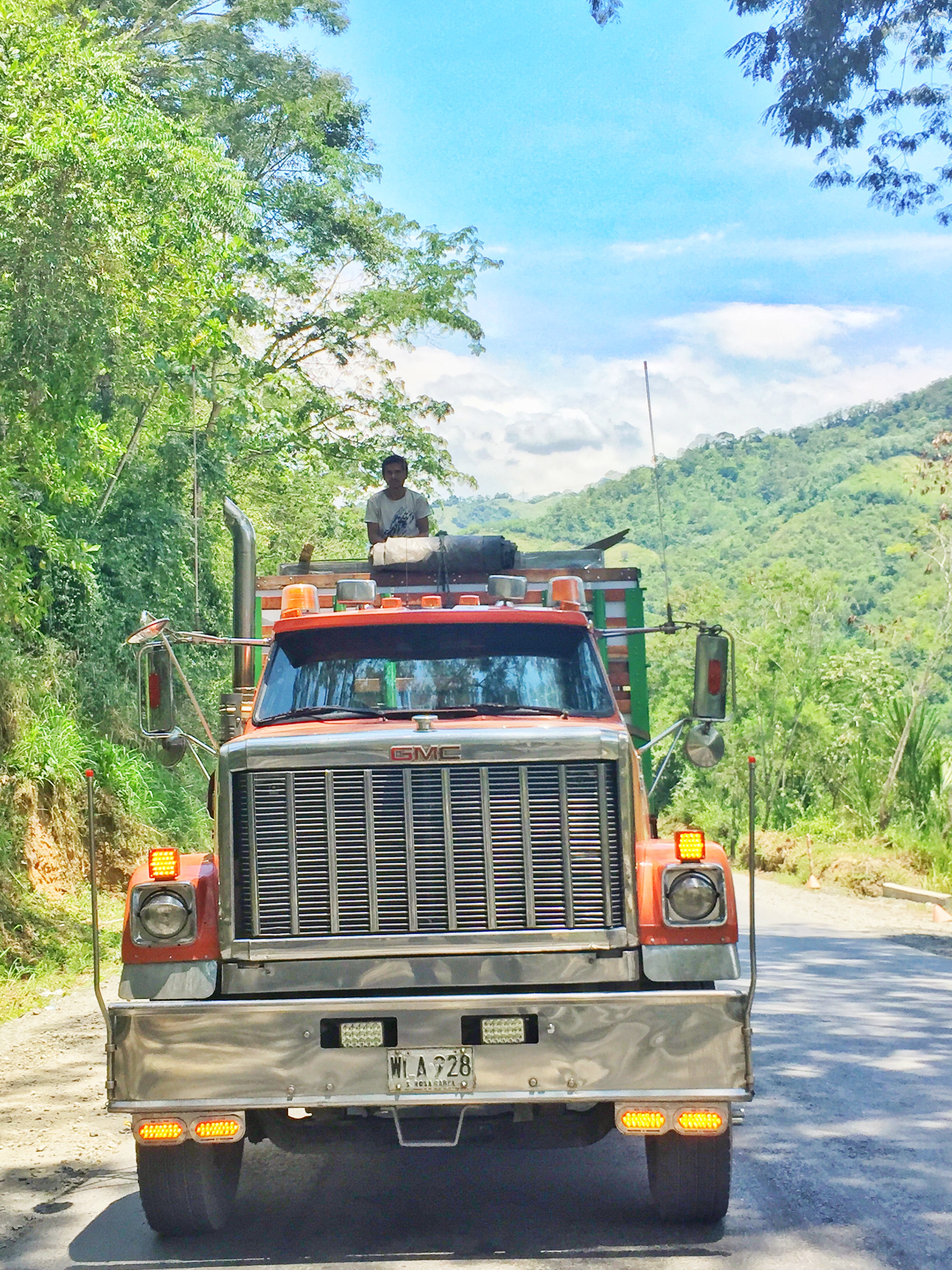
This is the largest human displacement in Latin America’s history. Teenage boys sit perched atop the cargo loads of semi trucks passing us in Colombia. Mothers carrying babies, walking toddlers, lying in the grass alongside the highway. The areas surrounding the city bus stations are tent cities. A young father bounces his infant daughter on his knees, cooing as she stares wide eyed at him.
This is the life into which she was born.
There is love within the wreckage.
Networks and selflessness like what I described in the previous blog are how the people in Venezuela are surviving the current crisis. Some of the first people to offer and actually provide on the ground support for our walk across South America were Venezuelans. Now, as we walk past groups pulling wheeled airport luggage down the side of the highway, displaced and forced into a desperate position, our hearts ache.
[youtube https://www.youtube.com/watch?v=AWbaGemW5QE&w=560&h=315]
While we are all out here walking, a crucial difference is that Neon and I walk with everything we need. The Venezuelans fleeing their country in these later stages of the crisis carry everything they have.
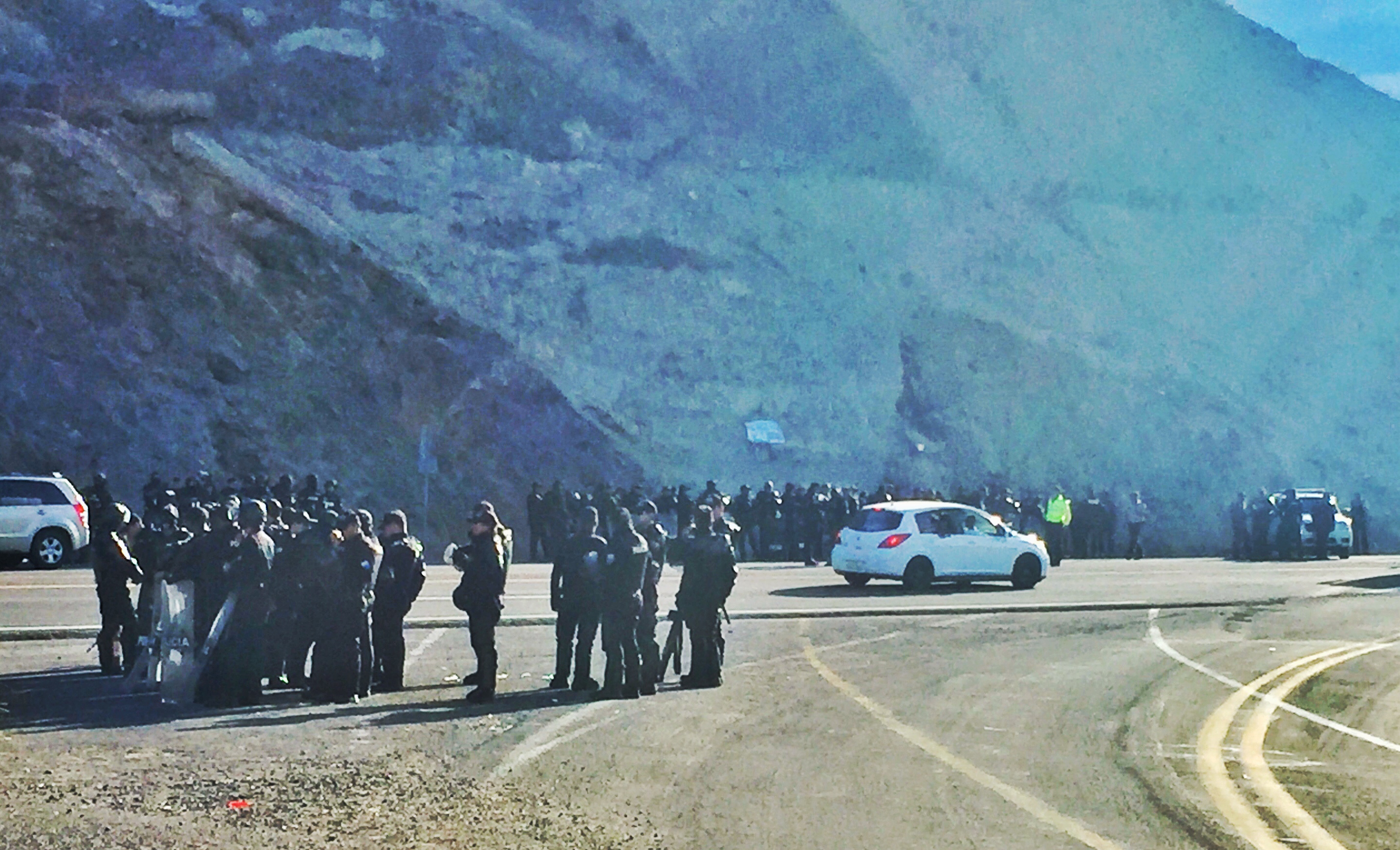
Neon described seeing a group huddled together just before an Ecuadorian checkpoint. Unlike us, they do not have the luxury of a passport which makes a border crossing a non-issue. “Seeing that made it real,” she said regarding the crisis which has been ongoing since before we started walking.
Now let me tell you about another microcosm of Venezuelans we have met. It began in southern Ecuador. We were slack packing (leaving most of our gear in a secure location and walking with very light packs) and, having completed the day of walking, hopped a bus back to the town where we had left our gear. As the bus started up a woman stood up in front and, apologizing for the molestia, began the story of why she was there.
She said she was an honest woman and had an infant to feed. She was selling chocolates and if we bought 5 chocolates, she would throw in some Venezuelan bills because, “this is the money of my country and it has no value.” She waved the stack of colorful bills. Since then we have heard iterations of the same story dozens of times.
Emerging off a trail one day, onto a highway headed north, I saw a cluster of people also walking on the shoulder of the road. I knew they weren’t backpackers because of the funny assortment of luggage. They looked more like a family headed to the airport who instead got dropped off in the middle of nowhere. Most of the group stopped and sat on the curb just before we crossed ways. They kept their heads down and avoided eye contact and I decided to respect that and quietly walked past.
The last of the group was a young man pulling a wheelie bag.
I greeted him and he smiled, “Buenas tardes. A donde vas?”
I was headed north to Cuenca; they were headed south to Loja.
“May you have a good journey and perhaps we will meet again someday,” he said as we both kept moving. It made me realize how privileged I am to be out here walking by choice. Yet also how that helps me appreciate the level of hardship which has driven around 2.5 million people, out of the country.
As with many places in the world where there are busy borders, a disheartening level of nationalism has erupted.
I stopped into a shop in a small Ecuadorian town to grab a bit of food and the shop owner eyed me up and down. Before she would sell to me she asked where I was from. Something I have become accustomed to so I answered without thinking. She followed up with, “oh, I thought you might be one of those Venezuelans.”
She went on, “The immigrants are coming into our country and taking our jobs. They are coming here to take our money. They are bad people. They rob and are poor and dirty.”
I tried to receive and respect her words as her worldview but the interaction was frustrating. Would she not have sold me food or treated me differently if I had been Venezuelan? I tried to understand as she went on but it felt like she was parroting something, her tirade was in-cohesive and laced with the language of fear.
On top of that, it was late, I had walked a long day and my patience was short, so rather than just receiving and thanking her, I pressed.
“Imagine if you lived in a country where you couldn’t afford to buy bread to feed your son,” I looked at the pudgy toddler on the floor. “What if your family was starving and you knew that if you went to the country next door you could earn enough to keep them all fed. What would you do? I hear that happened here in Ecuador a few years ago.”
She just blinked.
I did my college thesis about the immigration crisis on Malta resulting from the Schengen Agreement. I am walking through something similar in Venezuela’s neighbors. When I was studying I wanted so badly to witness the matter on the ground, to see it first hand. Now I am, and you know what? It all feels very, human. Even the inhuman aspects are so, very. Us.
On a more hopeful note, I have found an exception to this rule of “mistrust your neighbors” in Colombia. Our friends, the Andréses, spoke compassionately about their neighboring nation. “We have always had a good relationship.” One of them said, holding his fist in the air in a gesture of solidarity. The other became visibly pained as he spoke of seeing Venezuelans flying signs at intersections, “I wish I could do more than just give them my spare change,” his hands moved to his heart and his voice trembled.
Colombia’s new President Ivan Duque said in an interview, “this is the most horrible migration crisis Latin America has seen in its history. It is one of the most terrifying humanitarian crisis. . . so I have decided we are not going to close the border, we have to give them support.” News articles speak of how little of the crisis is costing the system. Here when people see us walking and guess that we are Venezuelan we just nod and they smile and nod back.
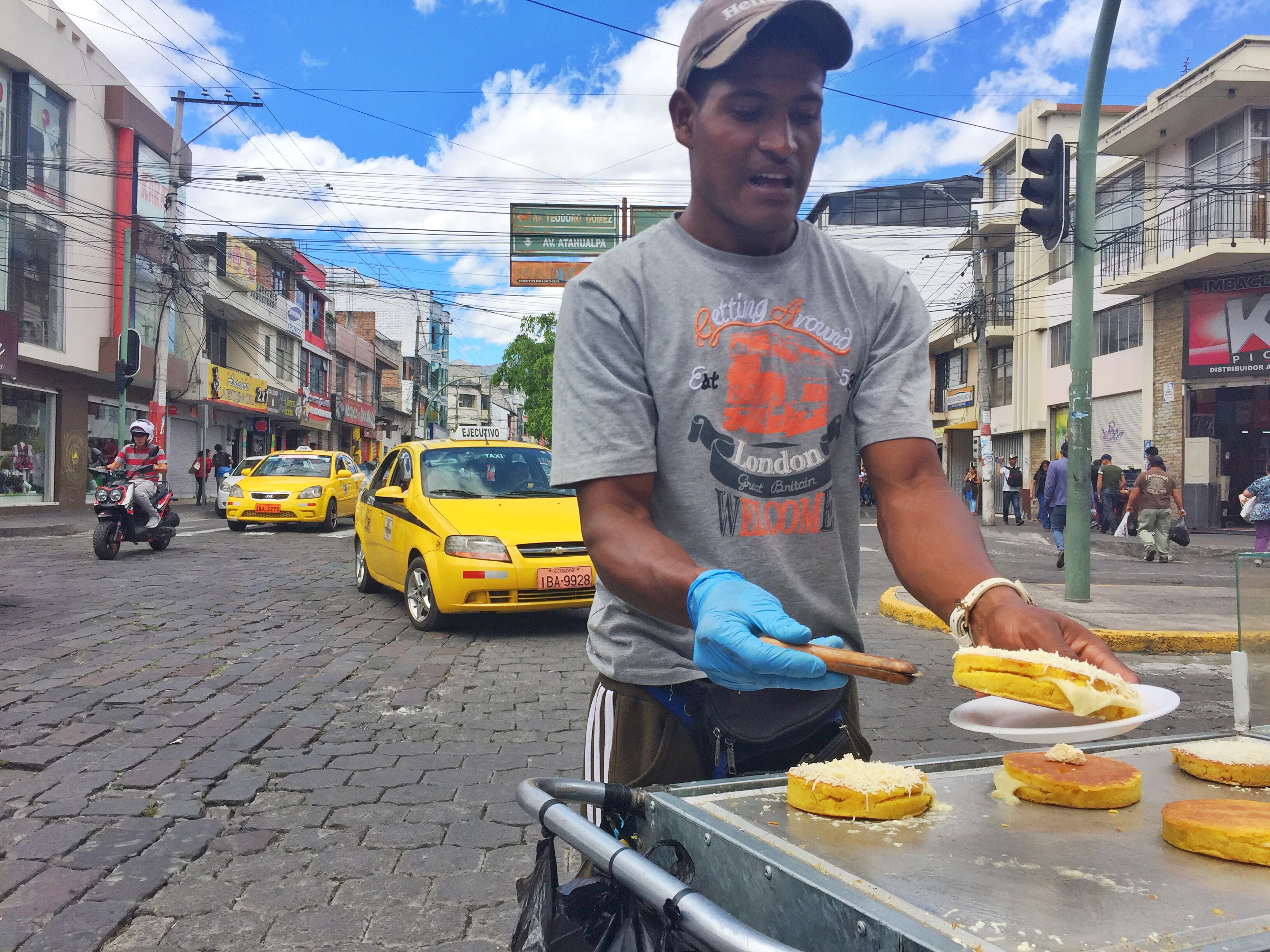
Back in Cuenca, Ecuador, there was a particularly wonderful coffee shop employee. She was bright eyed, intelligent, attentive, and kind. She was the reason we went back to that shop twice (Well, that and the waffles were delicious.)
As we were checking out we got to chatting and discussing the immigration issues.
“I am Venezuelan,” she said. She was proud of this but her eyes turned sad as she immediately talked about the crisis. She explained that was why she was here working, so she could send money home to her family. Because the inflation with their money is so severe, the US dollar is particularly valuable. A few years ago Ecuador had a similar issue with their money and that was why they now use the dollar. And yet, today, Ecuadorians are restricting their borders to Venezuelans. How fickle our memory and insecure our hearts.
She lit up with pride and joy as we talked about Angel Falls. She told us about an incredible hike in her region of Venezuela. I hope, with all my heart, to one day visit. To better know these incredible people, their beautiful country, and how such a terrible hardship has wrought some of the most generous souls we have met along the way.
Please, dear reader, inspect your heart and consider the well being of your neighbors.
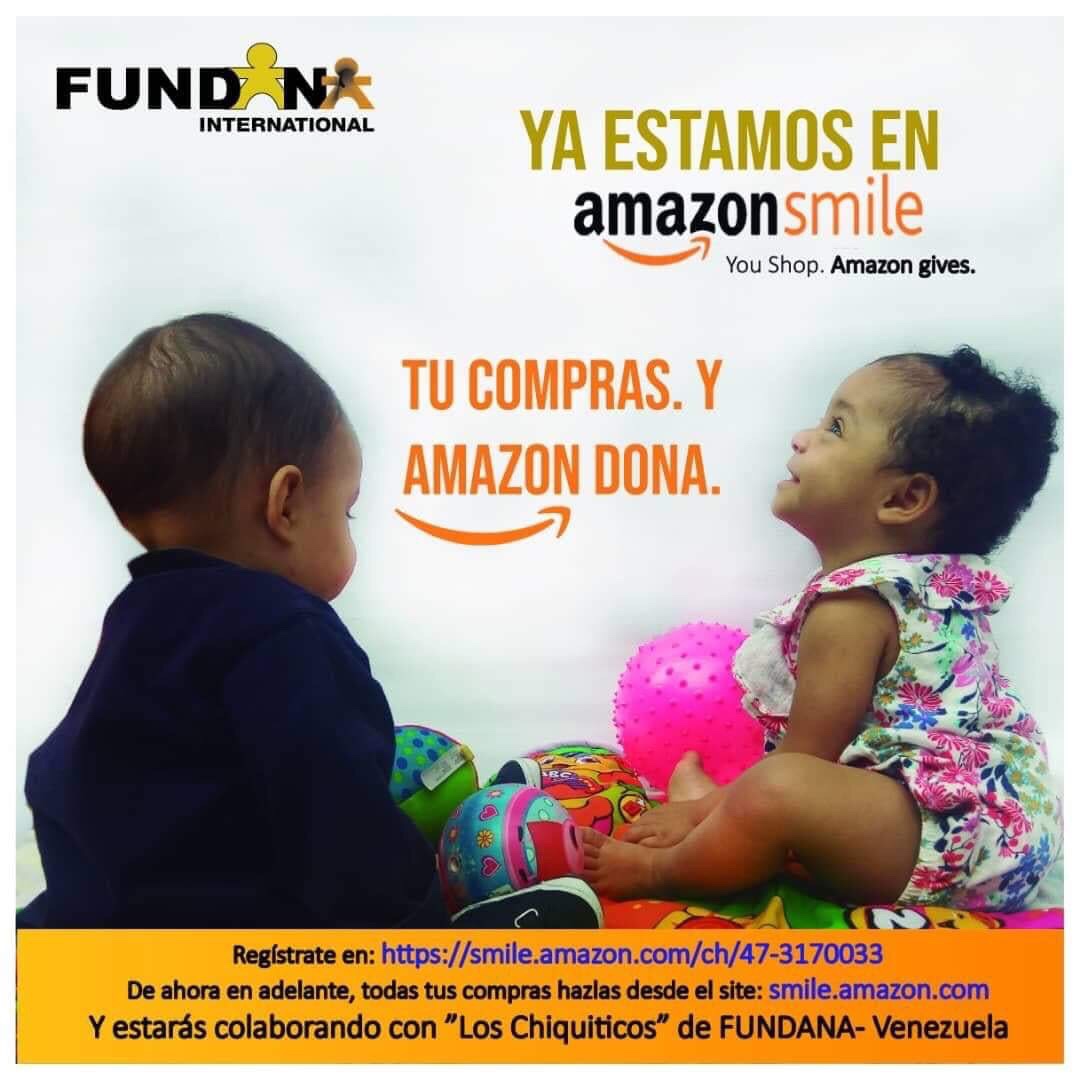
If you have been looking for a way to support vulnerable Venezuelans, we recommend Fundana (link goes to their Facebook account which is a bit more navigable than their website) who have provided a home, food, therapy, medication, and so much more to over 12,000 of ‘Los Chiquiticos‘, infants to six year olds who have been victims of sexual abuse, negligence and abandonment in Venezuela. For $20, you feed a child for a month.
Paypal to fundanainternational@gmail.com
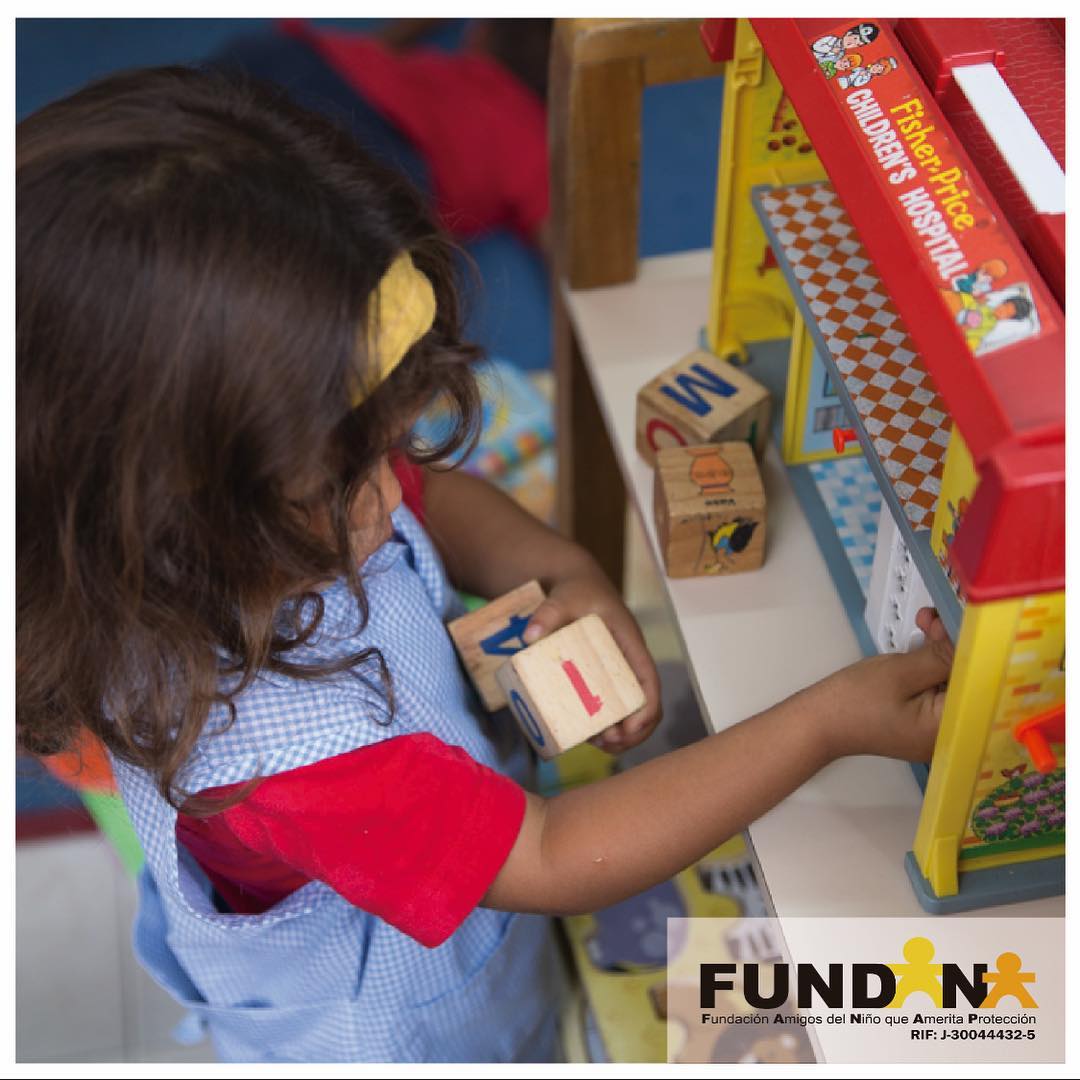
I may struggle to convince myself to spend money on a new pair of shoes when mine are blown out and my feet are blistering but giving to this cause was an easy decision and took 1 minute, even with crummy internet. Unfortunately they do not receive enough money annually to qualify for a charity review but we trust them based on personal connections to staff members.

Comments (9)
Fidgit,
Every refugee story is terrible. That’s the constant. The variables are how refugees are treated in one situation or another. I’ve just been in Istanbul with the Yusra Community Center where a small number of Syrian children find some good care, education, soup, play. I’ve been going there now for three years. Istanbulers have been notably kind and generous even though there are now 4 million Syrians in Turkey. By contrast, President Trump says the US will admit 30,000 refugees next year–none from Syria. You’ve probably walked past that many Venezuelans on your travels. In short, there’s room for both our good hopes and our dismay. So we keep on keeping on. Meanwhile, your own adventures continue to be notable.
Cheers,
Peter Stambler
(Letters from Orestes)
Insightful thoughts! I too have found it interesting to consider personal and national responses. The UNHCR estimates 5,000 people flee Venezuela a day. The US’s preposterous number would be filled in under a week.
A notable national difference is, in the Colombian newspapers, I see stories outlining how little the Venezuelans cost the nation. The new President, while far from perfect, practices a rhetoric of empathy.
Your sentence “…there’s room for both our good hopes and our dismay.” Will be a mantra for me in these final weeks on this continent.
Mantras are okay. A new pair of good walking boots is better.
True words!
I normally comment on every post. but only about 1 in 5 get through. I have been most interested in your two posts about Venezuelans. So far, I don’t think any have reached Namballe/San Ignacio, but if they do, I will certainly look out for them.
We do so love your comments. I read them out loud to Lauren every time. Your perspective will be quite interesting living so close to the border!!
Abrazos.
i must be living in a bubble because I wasn’t aware of the Venezuelan economic crisis until your post. thank you for the news. i will be paying more attention to this.
I am so glad we could bring it to your attention. I feel like South American news tends to fall to the bottom of the international media list.
Pingback: Safety in Colombia – Her Odyssey